Hear This: How the Sounds Inside Your Apartment Are Shaping Your Mood Without You Realizing It
You've finally got the throw pillows arranged just right. The gallery wall is chef's kiss. The lighting is warm and perfectly layered. So why does something still feel... off?
Here's a question most apartment dwellers never think to ask: What does your space sound like?
We pour enormous energy into how our homes look, but acoustic design — the way sound moves, bounces, and settles inside a space — is one of the most overlooked factors in how a home actually feels. And once you start paying attention to it, you genuinely cannot stop noticing it everywhere.
Why Sound Hits Different Than Sight
Human beings process sound constantly, even during sleep. Unlike your eyes, which you can close, your ears are always on — always feeding your nervous system information about your environment. Loud, chaotic, or echoey spaces keep your brain in a low-grade state of alertness. Calm, acoustically balanced spaces do the opposite: they signal safety, and your body responds by actually relaxing.
This is why you might feel inexplicably soothed in a cozy bookstore or a well-furnished hotel lobby, even if you can't put your finger on why. Those spaces are often acoustically engineered — intentionally or not — to absorb sound, reduce echo, and create a sense of enclosure. Meanwhile, the average American apartment, with its hard floors, bare walls, and open layout, can be an acoustic nightmare.
The good news? You don't need a contractor, a permit, or a huge budget to fix it.
The Echo Problem (And Why Your Apartment Probably Has It)
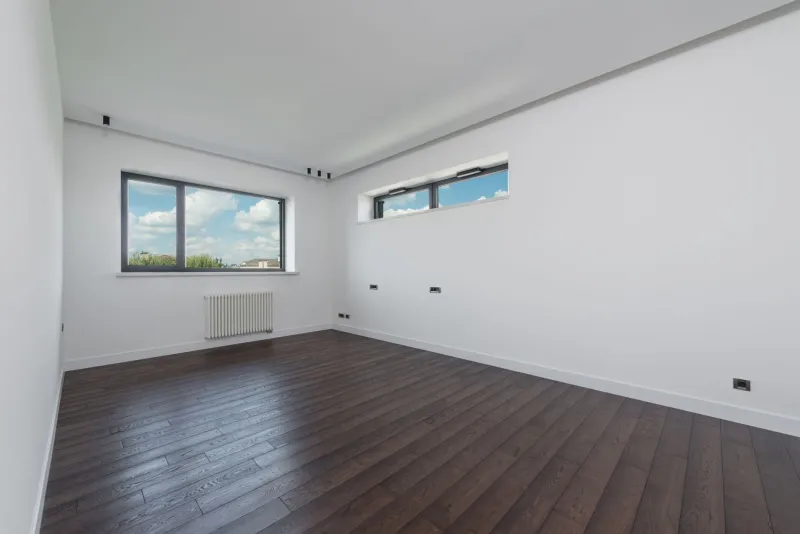
Hard surfaces reflect sound. That's just physics. And modern apartments tend to be full of them: hardwood or laminate floors, drywall, large windows, tile in the kitchen and bathroom. Sound bounces off all of these surfaces, creating that slightly hollow, reverberant quality that makes a space feel cold even when it's beautifully decorated.
Renters are especially vulnerable to this because they're often limited in what they can change structurally. You can't add acoustic ceiling tiles or install wall-to-wall carpet without your landlord's blessing. But you have more options than you might think.
Rugs are your first line of defense. A large area rug doesn't just anchor a room visually — it absorbs a significant amount of sound that would otherwise ricochet off the floor. The thicker and denser the rug, the better. A rug pad underneath adds another layer of absorption and keeps things in place.
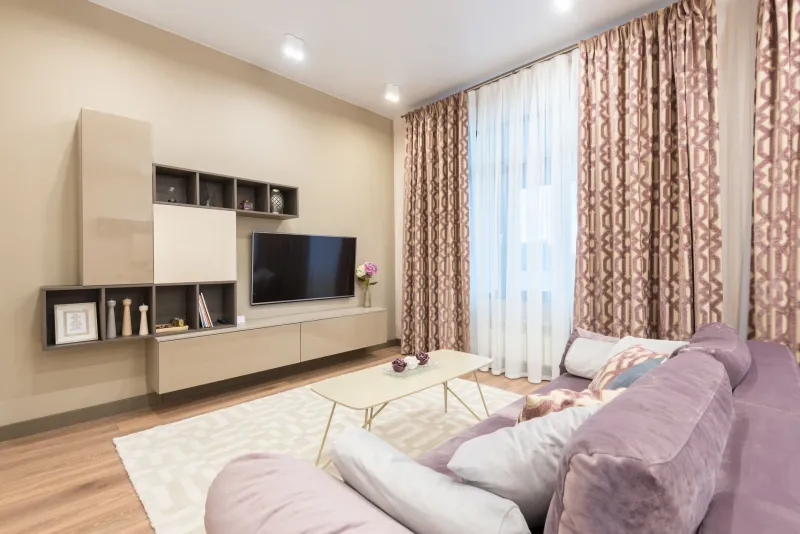
Curtains do double duty. Floor-to-ceiling drapes made from heavy fabric (think velvet, linen, or layered blackout material) are one of the most effective acoustic tools in a renter's arsenal. They soften the hard surface of your windows and add real warmth to the sound environment of a room. Bonus: they also block outside noise from the street.
Bookshelves, sofas, and upholstered furniture absorb sound too. A well-stuffed sofa or an armchair with thick cushions quietly soaks up ambient noise. A bookshelf packed with books is a surprisingly effective acoustic diffuser — the irregular surfaces scatter sound rather than bouncing it straight back at you.
Strategic Soft Furnishings: A Room-by-Room Breakdown
Living room: This is where most of the acoustic action happens. Prioritize a large rug, upholstered seating, and heavy curtains. If your walls are bare, consider adding fabric wall hangings, tapestries, or even a large canvas print — anything that interrupts the flat reflective surface.
Bedroom: This is the room where acoustic quality arguably matters most, since it directly affects sleep. Plush bedding, padded headboards, and blackout curtains all contribute to a quieter, more cocoon-like environment. If you live in a city and street noise is a factor, a white noise machine or a fan running at low speed can help mask intrusive sounds and create a consistent audio backdrop that your brain learns to tune out.
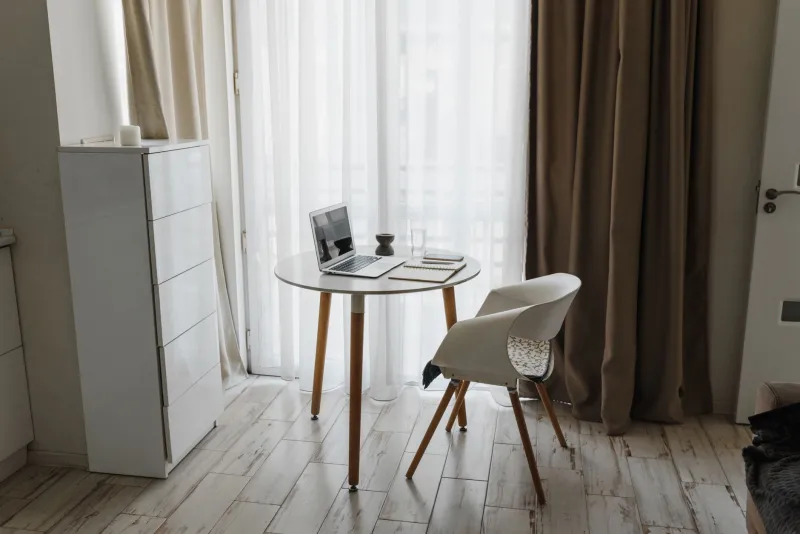
Home office: Hard echo in a workspace kills concentration. A desk placed against a wall covered in a fabric panel, a bookshelf behind you, and a rug underfoot can make a dramatic difference in how focused you feel. If you're on a lot of video calls, these changes will also improve your audio quality — a win-win.
Bathroom and kitchen: These rooms are acoustically difficult because they're almost entirely hard surfaces. You can't do much structurally, but adding a fabric shower curtain (instead of a glass panel), a small bath mat, and even a wooden cutting board collection on the kitchen wall can take the edge off.
Adding Sound Intentionally
Reducing echo and noise is only half the equation. The other half is introducing good sound into your space.
White noise machines have had a moment in recent years, and for good reason. They create a consistent, neutral audio layer that masks unpredictable sounds — a neighbor's TV, traffic, a barking dog — that your brain would otherwise flag as worth paying attention to. Pink noise (a slightly warmer, more natural variation) is particularly popular for sleep and focus.
Nature sounds and ambient music are another option. Studies have found that natural soundscapes — rain, running water, birdsong — reduce cortisol levels and promote relaxation. A small tabletop fountain can introduce actual moving water into your space, adding both ambient sound and a meditative focal point. If a physical fountain isn't your thing, a smart speaker playing a curated lo-fi playlist or a nature soundscape can accomplish something similar.
The key is consistency. Your brain is wired to flag sudden, unpredictable sounds as potential threats. A steady, pleasant background sound gives your nervous system something reliable to settle into.
The Psychological Payoff Is Real
Improving the acoustic quality of your apartment isn't just about comfort — it has measurable effects on mental clarity, stress levels, and sleep quality. Research in environmental psychology consistently shows that people perform better cognitively and report higher levels of well-being in acoustically balanced spaces.
Think about the last time you walked into a space and felt immediately calm. Chances are good that it wasn't just the lighting or the color palette doing that work. The way the room sounded — hushed, warm, unhurried — was probably a major part of it.
You can build that feeling into your own apartment, no renovation required. Start with a rug and some heavy curtains. Add a white noise machine on your nightstand. Fill your bookshelves. Hang something soft on your walls.
Your eyes will notice the difference. But more importantly, your nervous system will.
Small changes, big impact — that's the Apartement Decor way. Style your space, love where you live.