Why You Keep Forgetting What You Came For: The Hidden Way Your Apartment Layout Is Hijacking Your Brain
You're Not Forgetful. Your Floor Plan Might Just Be Working Against You.
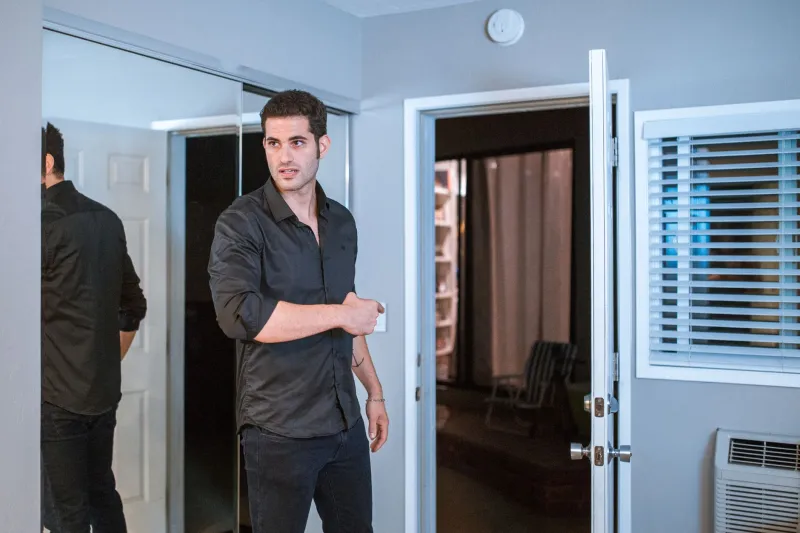
You've done it a hundred times. You get up from the couch with a very specific purpose — grab your phone charger, refill your water, find that one thing you know you set down somewhere — and the second you cross into the next room, it's gone. Completely wiped. You stand there staring into the middle distance like your brain just blue-screened.
Here's the thing: this isn't a you problem. It's actually a well-documented psychological phenomenon called the Doorway Effect, and researchers at Notre Dame confirmed it back in 2011. The short version? Walking through a doorway — or any defined boundary between spaces — acts like a mental "event horizon." Your brain files away the thoughts you were carrying in the previous room and prepares to process whatever comes next. It's an efficiency feature, not a bug. But in a small or poorly laid-out apartment, those mental resets can happen constantly, leaving you feeling scattered and weirdly exhausted by the end of the day.
The good news: you can actually design around this. The way your furniture is arranged, how your lighting shifts between rooms, and whether your space gives your brain visual cues to hold onto — all of it plays a role. Let's break it down.
What's Actually Happening When You Cross a Threshold
Your brain is constantly sorting information into what psychologists call "event models" — basically mental snapshots of what's happening right now and why. When your environment changes dramatically — different lighting, different furniture, different smells — your brain treats it as a new event and starts a fresh file. The old one? Temporarily shelved.
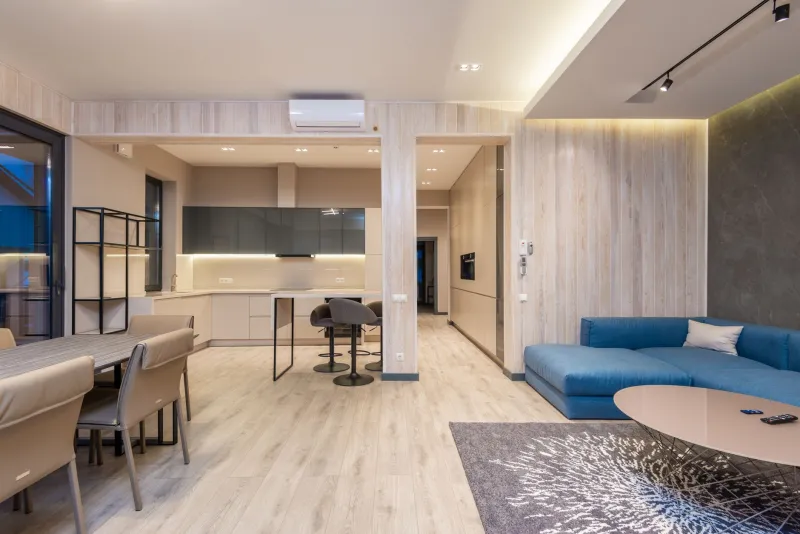
In a house with distinct, purpose-built rooms, this is mostly fine. The kitchen is clearly the kitchen. The office is clearly the office. But in a typical apartment — especially open-concept layouts or studios — the transitions between zones can be ambiguous, abrupt, or just plain confusing. Your brain doesn't know whether to keep holding that thought or let it go.
Add in the general visual clutter of a busy apartment, and you've got a recipe for constant low-grade cognitive disruption. It's not just annoying. Over time, it contributes to that vague sense of mental fatigue that makes you feel like you've accomplished nothing even after a full day at home.
Anchor Your Eye (and Your Brain) at Every Transition
One of the most effective design fixes is something decorators call a visual anchor — a deliberate focal point placed at or near a doorway that gives your eye (and your working memory) something to latch onto as you move between spaces.
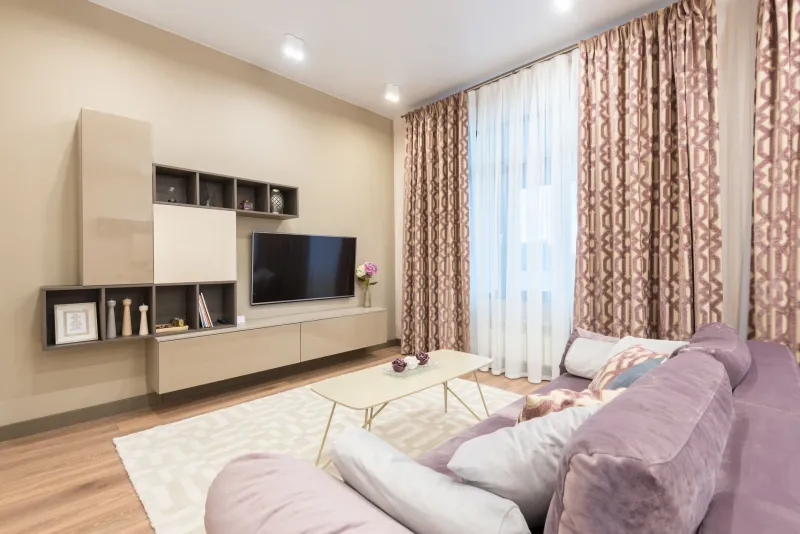
Think: a bold piece of art on the wall directly visible as you enter a room, a statement light fixture that marks a zone, or even a distinctive rug that signals "you are now in a different space with a different purpose." The goal is to give your brain a clear cue that says this room is for this — which actually helps you hold onto your intention rather than dropping it at the threshold.
For renters who can't paint or drill into walls, this is where removable wallpaper panels, leaning art, and oversized floor mirrors become genuinely useful tools. Position them so they're visible the moment you step through a doorway, and you're essentially giving your brain a welcome sign.
Use Lighting Transitions Intentionally
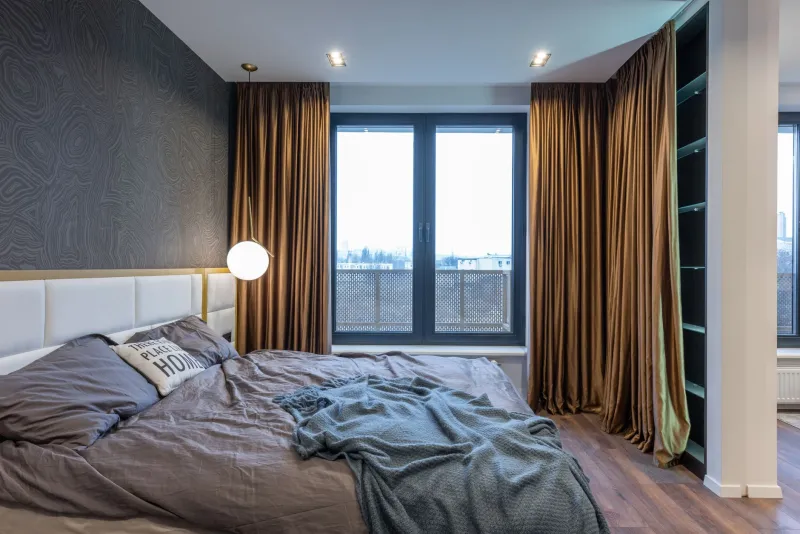
Lighting is one of the most underrated tools for managing how your brain moves through your apartment. A dramatic shift in light level between rooms — say, a bright overhead-lit kitchen following a lamp-lit living room — sends a strong environmental signal that triggers that mental reset.
You can use this to your advantage. If you want a room to feel like a distinct, focused space (a home office corner, a reading nook), make the lighting noticeably different from the surrounding area. Warmer, dimmer, more directional. Your brain will treat it as its own event, which actually improves focus once you're in it.
But if you're constantly forgetting why you walked from your living area into your kitchen, consider softening that lighting transition. A plug-in pendant or a warm under-cabinet light strip in the kitchen can bridge the gap, making the two spaces feel more continuous — and keeping your working memory from doing a hard reset mid-errand.
Rethink the Furniture Layout Between Zones
In open-plan apartments especially, the way furniture creates (or doesn't create) visual boundaries has a massive effect on how your brain categorizes your space. A sofa with its back to the kitchen, for example, creates a pretty clear psychological wall between the living zone and the cooking zone. That's great for focus — but it also means every time you walk around it to grab something, you're crossing a mental threshold.
If you find yourself constantly losing your train of thought on simple trips across your apartment, try softening those furniture boundaries. Instead of a hard back-to-back layout, angle your sofa slightly. Use an open bookshelf or a console table as a zone divider instead of a solid barrier. The idea is to create suggested zones rather than hard boundaries — enough definition that each area feels purposeful, but not so much that your brain treats every trip across the apartment as entering a foreign country.
Create a "Memory Spot" Near Your Most-Used Doorways
This one is part design, part life hack, and it works embarrassingly well. Designate a small surface — a wall-mounted shelf, a tiny console table, even a decorative tray on the floor — right next to your most-used interior doorways. Before you cross the threshold, put whatever you're thinking about there. Your keys, a note, the thing you were about to go get.
It sounds almost too simple, but what you're doing is externalizing your working memory. Instead of trusting your brain to hold the thought through an environmental reset, you're giving it a physical placeholder. Plenty of interior designers use this principle when styling entryways — that little catch-all dish by the front door isn't just cute, it's functional cognitive scaffolding.
Apply the same logic to your interior transitions and you'll be amazed how much mental energy you free up.
The Bigger Picture: Design for How Your Brain Actually Works
Most apartment decorating advice focuses on aesthetics — and look, we love a beautiful space as much as anyone. But the best-designed rooms aren't just pretty. They work with your brain rather than against it.
When you understand that your layout is constantly sending signals to your nervous system — about focus, about transitions, about what this space is for — you start making design choices with a lot more intention. A well-placed lamp isn't just a vibe. A thoughtfully positioned piece of art isn't just decoration. These are tools for making your home feel coherent, calm, and easy to actually live in.
So next time you find yourself standing in the middle of your apartment wondering what you were doing, don't blame your memory. Take a look around. Your space might just be trying to tell you something.